From the Frontline: Truce in Tehran -- a bitter smile at winter's edge


TEHRAN, April 8 (Xinhua) -- For Hamid, a 70-year-old accountant living in Tehran, blow-drying his hair on Tuesday night felt like a small act of defiance.
For weeks, uncertainty had gripped the city. If American and Israeli strikes hit Tehran's power plants overnight, he thought, he might not get another chance for some time.
By morning, the lights were still on.
A tentative ceasefire announced in the wee hours of Wednesday between Iran, the United States, and Israel brought a halt -- at least for now -- to nearly six weeks of devastating conflict.
In Tehran, a city repeatedly battered by heavy bombing since the war began on Feb. 28, relief was immediate -- but cautious.
"I feel a kind of relief. Maybe I can finally lie down and get some worry-free sleep," said Sama, 40, a bank clerk.
She described mornings spent calculating what to stockpile and how to prepare. "I think I can finally go out and take a walk without being in constant fear of nearby explosions."
Even so, memory presses against the moment.
"When the 12-day war ended last June, we were not expecting to see another, even longer, conflict just months later," she said.
Her doubt was reminiscent of the "complete distrust of the American side" Iran's Supreme National Security Council voiced when confirming the truce.
Even on Wednesday, the ceasefire felt fragile. Sporadic reports of explosions came from several Iranian cities. Air defense systems occasionally sounded over Tehran. Threats continued to fly between the parties. Whether the truce would hold -- and whether it can eventually lead to a broader diplomatic settlement -- remains unclear.
Saeed, a 40-year-old elementary school teacher, described his feelings as a mix of temporary happiness and underlying doubt.
"It brings some sort of relief to know that your friends, your hometown, and your country are not supposed to be harmed any longer," he said.
He recalled that he was half asleep when he heard the news. "To tell the truth, a bitter smile was my very first reaction," he said, because he knew the relief and happiness might not last long.
For Saeed, the saddest part of the war was the deaths of innocent people, especially children. Among the casualties Iran disclosed were then Supreme Leader Ali Khamenei, many senior military commanders, and more than 200 children.
Yet even in recent days he had found one small reason for happiness: he managed to hold an online class with his students after several weeks of interruption.
"Peace makes me happy," he said, "because it provides a better future for children."
The war's toll extends far beyond casualties. Pharmaceutical companies and petrochemical plants that supply domestic markets and generate foreign revenue have been damaged or destroyed. Reconstruction could take years. Jobs have vanished, supply chains have frayed, and daily life, already strained, has become even more precarious.
"Many people have lost their livelihoods," Sama said. "Rebuilding production lines will take a long time, and that will affect daily life."
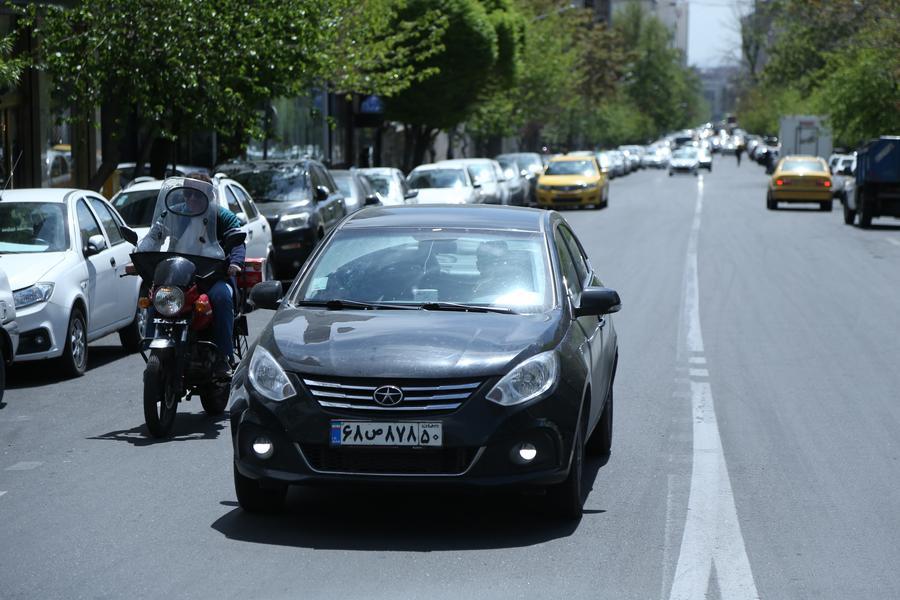
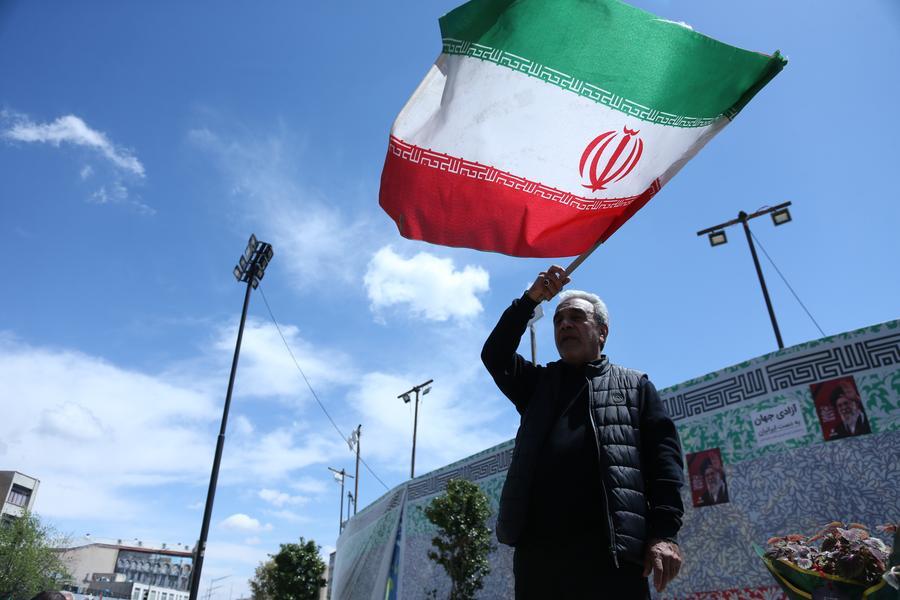
Still, after more than a month of stress and fear, many Tehran residents stepped out to the streets for a long-awaited reprieve.
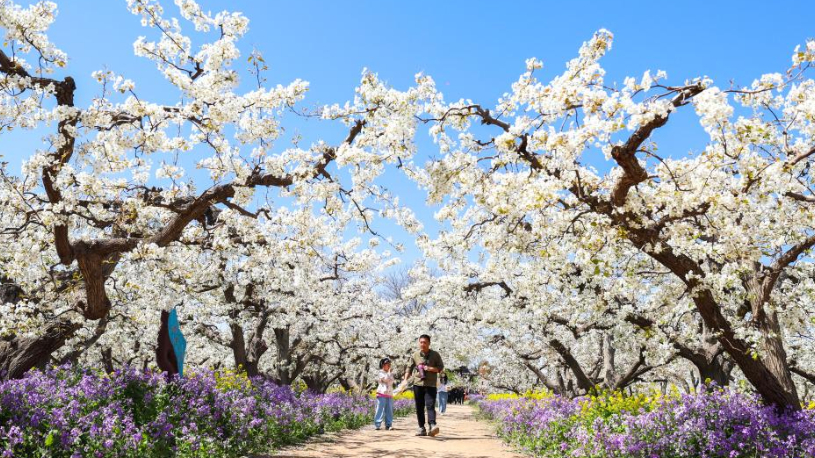
Spring has quietly arrived while the city was consumed by war, almost unnoticed. Along the streets, trees have begun to bud -- small, stubborn signs of life.
But the air still carries winter's edge, as if the season itself were reluctant to let go.
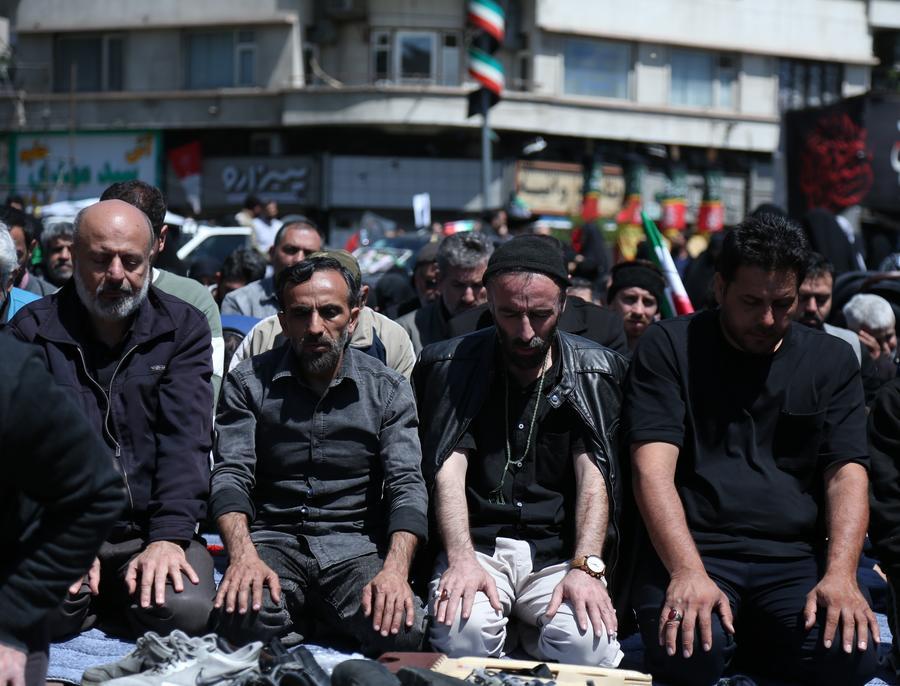
So for now, that in-between feeling may be the truest measure of the mood in Tehran: relief, but not release; hope, but with its coat still on.■




Comments